Concrete Driveways in Meridian, Idaho
A production two-car slab is the common ask. Thickness, base, and joints decide if it lasts.
Free estimate.
- Free estimates
- Treasure Valley
- Local crew
- One number
This job covers
- Two-car production pours.
- Tear-out on settled fill.
- Extra-wide and RV pads.
- Slope control at the gutter.
Concrete Driveways in Meridian, Idaho
Meridian Quality Concrete pours a concrete driveway in Meridian, Idaho for production lots and older streets. Cars park on it every day, so the slab has to carry load, shed water, and crack only at the joints we cut.
Call (208) 741-7320 with the width, how many cars, and whether the old pour has to come out. We walk the grade before forms go in.
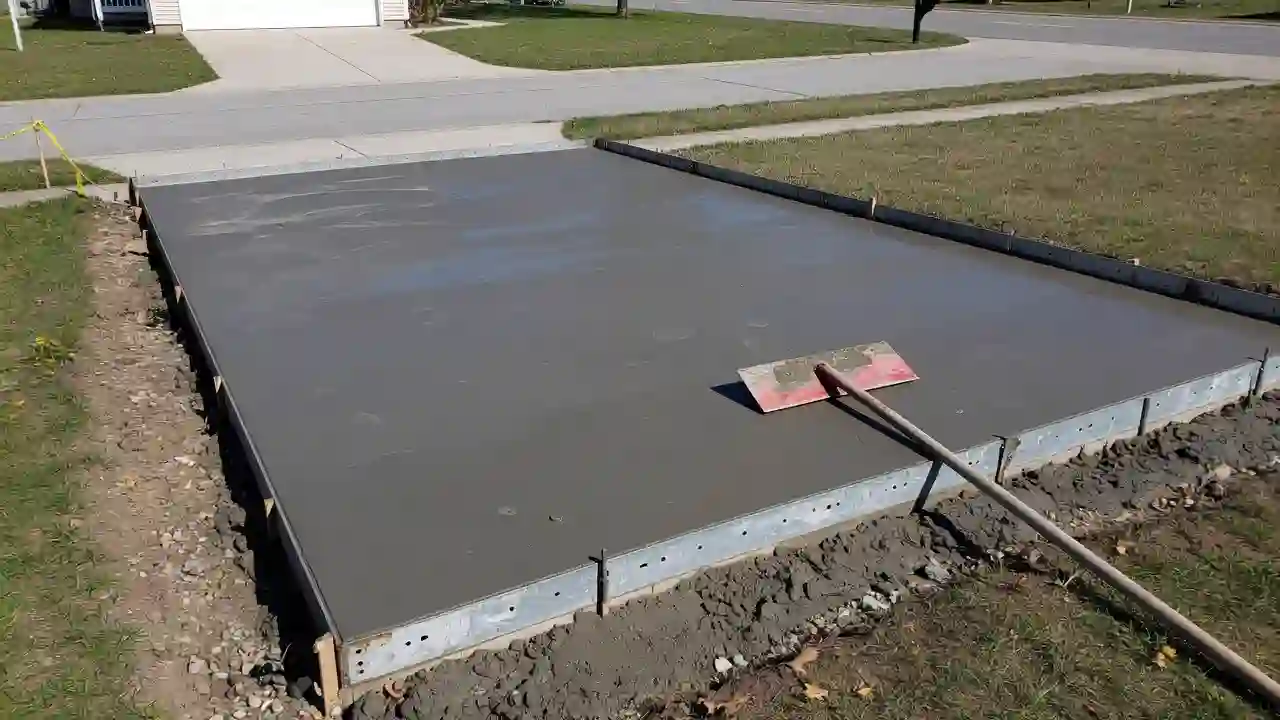
Concrete driveway options for Meridian properties.
Two-car production pours.
Most plats want a two-car slab from the sidewalk to the garage. We set 4 inches for cars on compacted crushed base, then cut joints so panels stay about 10 feet on center. Wire mesh or #3 rebar goes in where the quote calls it. The broom runs perpendicular to the street so water and ice have a path.
Tear-out on settled fill.
South of I-84 a lot of drives sit on fill that still moves. A corner drops, a joint lips, and the car scrapes. We saw the slab, haul it, and rebuild the base before we pour again. Overlay on a rocking panel is not this option.
Extra-wide and RV pads.
A third bay or a trailer pad needs 5 to 6 inches and a thicker edge beam. We check the turn radius so the truck can place without chewing the neighbor's sod. Slope still has to hit the gutter, not the garage floor.
Slope control at the gutter.
A drive that pitches toward the house will pond at the overhead door. We shoot grade from the sidewalk and the garage lip, then hold a fall near 2 percent where the lot allows it. If the lot is already wrong, we say so in the quote instead of hiding it in a flat pour.
How we handle a concrete driveway in Meridian.
- We measure length and width and note the sidewalk, the approach, and any irrigation box in the pour.
- We probe the old slab for drop, rocking panels, and whether the base is still dense.
- We write thickness, steel, joints, finish, and haul-off as separate lines so you can see the spec.
- We form to a string, place 4000 psi air-entrained mix, screed, bull float, and broom.
- We saw control joints after the slab can take the blade, then leave cure instructions with you.
Materials and methods.
Exterior drives here get air-entrained 4000 psi concrete unless the job names another mix. Air helps the paste survive freeze-thaw after a wet December. We place over compacted crushed gravel, often 4 inches, with a geotextile on pumping soils. Reinforcement is 6x6 W1.4/W1.4 mesh or #3 bars on chairs, not tossed on the grade and hooked up with the rake.
Control joints follow ACI 302 spacing rules of thumb: panel size close to 24 to 36 times the thickness, in inches. A 4-inch slab wants joints on a 8 to 12 foot grid, not one random saw cut down the middle. Isolation joints sit against the garage stem and the sidewalk. Expansion material keeps the new pour from spalling those edges.
We screed off the forms, bull float to close the surface, wait for bleed water to leave, then broom. Cure compound or wet cure matters in August when the air is dry. A slab that dries in an hour on the surface and stays wet underneath is how map cracks start.
Hot days over 100 F shrink the finish window. We plan earlier pours, a retarder when the mix needs it, and enough hands to broom before the paste crusts. Shoulder-season nights can drop after a mild afternoon, so a blanket is part of that conversation. Irrigation overspray on a new drive is another local problem. We tell you when the water has to stay off the slab.
Access on a cul-de-sac in Bridgetower or Lochsa Falls is not the same as a wide lot on Chinden Boulevard. A pump is a line item when the chute cannot reach. We would rather name that in the quote than chew a neighbor's sod to save a pump fee. Utilities marked before we saw an old slab. A surprise irrigation box in the middle of a two-car pour is a stop, not a pour-around.
What a concrete driveway costs in Meridian.
HomeAdvisor publishes a national band of $2,700 to $14,500 for a concrete driveway, with an average near $6,400, and about $8 to $20 per square foot. Angi notes replacement near $15 per square foot if the existing slab is too far gone to resurface. Three things move a Meridian bid: tear-out and haul, thickness for trucks, and access for the chute. We quote the lot. We do not post a menu price.
Call (208) 741-7320 when you know the width and whether the old pour stays.
Freeze-thaw, laterals, and south Meridian fill on driveways
I treat a Meridian driveway as a load path first and a gray rectangle second. Freeze-thaw here is real. December wet paste that freezes overnight wants air-entrained mix, not a dry-climate recipe. We keep that in the bid before anyone argues about broom direction. Irrigation laterals cut through a lot of these lots. A box or a valve in the pour line is a stop. We mark utilities and move a joint or a thickness change around that iron instead of burying a surprise under the new slab.
South Meridian fill is the settlement story people call about. Ten Mile and Lake Hazel plats still drop a garage corner two or three seasons after the builder left. I will not sell a thin patch on that movement. Tear-out, haul, and a compacted base rebuild are the honest path when the panel rocks. Eagle custom drives sit north of that belt and ask for a different map. Wider approaches, RV bays, and foothills fall change edge beams and joint spacing. A production two-car broom copied onto Floating Feather grade is the wrong drawing. Kuna farm approaches add another setup. Leftover farmhouses want a thicker apron where a truck turns, not a patio leftover. Wind on those open edges also shortens the finish window on pour day.
Access decides the truck plan as much as thickness. A Bridgetower cul-de-sac may need a pump. A Kuna farm lot may take the chute but still need a longer joint map where the gravel used to live. HOA packets on south Meridian streets often lock gray broom. We match that page when you send it. Custom Eagle color is a separate line. Call (208) 741-7320 with width, vehicle load, and whether the old pour already lips at the door. We walk grade before forms.
Questions
How thick should a concrete driveway be in Meridian?
Passenger cars usually sit on 4 inches over compacted base. Trucks and trailers want 5 to 6 inches with more steel. We say the thickness in the quote after we see how you use the drive. Name the town and the job when you call.
Do you tear out the old concrete driveway first?
If the slab has dropped, broken at the joints, or turned into rocking panels, yes. A patch on moving fill is a short hide. Tear-out, haul-off, and new base are part of that bid. Name the town and the job when you call.
What does a concrete driveway cost in Meridian?
HomeAdvisor publishes a national range of $2,700 to $14,500, with an average near $6,400, and $8 to $20 per square foot. Access, thickness, and tear-out move the number. We quote the lot. Name the town and the job when you call.
Can you match my HOA broom or color?
Send the packet page. Many south Meridian HOAs lock a broom and a gray. We bid that finish. Custom color is a different line on the same pour. Call with the width, how many cars, and whether the old pour has to come out.
Does south Meridian fill change a driveway pour?
Yes. Fill south of I-84 still moves on young plats. We rebuild base and set joints for that settlement instead of pouring on soft grade and hoping the corner stays. Name the town and the job when you call.
Do Eagle custom drives need a different driveway spec than a Meridian production lot?
Often. Wider bays, thicker edges for trailers, and foothills grade change steel and joint maps. We bid the lot you have, not a two-car default copied from a plat packet. Name the town and the job when you call.
Ready for a concrete estimate in Meridian?
Driveways, patios, walkways, repair. Free estimate, no obligation.